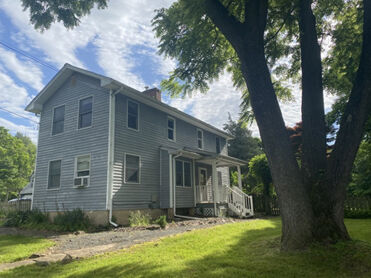
In a first-of-its-kind collaboration in Somerset County, the Stoutsburg Sourland African American Museum (SSAAM) and the Sourland Conservancy have partnered to shed light on the rich history of African Americans in the Sourland region.
By transferring its co-ownership of the historic True Farmstead entirely to SSAAM, Sourland Conservancy restores an important cultural and ecological landmark to the African American community.
In 2022, SSAAM and The Sourland Conservancy partnered to purchase the True Farmstead property with support from the Somerset County Cultural Heritage Commission and the Green Acres Program of the NJ Department of Environmental Protection. This May, the two groups executed an agreement fully transferring the deed to SSAAM.
“What these two organizations have achieved with this measure is remarkable,” said SSAAM board president Catherine Fulmer-Hogan. “The team at SSAAM has so much gratitude for our friends and collaborators at The Sourland Conservancy for understanding the True Farmstead’s significance to the history of African Americans of the region, and then making the critical and equitable choice to transfer their ownership to SSAAM. What a powerful and beautiful legacy for us all.”
Sourland Conservancy Board President Paul Gehris agreed, adding, “With the return of the property to full African American ownership, we are now truly in a full-circle moment. The Sourland Conservancy is proud to support SSAAM and to have been a part of making this happen.”
The True Farmstead was originally owned by a Black Union Army veteran who worked as a farmer after the Civil War. In 1891, after his death, his wife Corinda married Spencer True, a descendant of the formerly enslaved Friday Truehart. Truehart gained his freedom in 1802 and became an early African American landowner in the Sourland Region. Spencer and Corinda True made their home on the farmstead, which originally included the land on which the National Historic Register-listed Mt. Zion AME Church stands today. SSAAM has been engaged in preservation of the church building since the organization’s inception in 2016.
Patricia Payne, a Truehart descendent and trustee of SSAAM, shared, “The True Farmstead is my legacy. It represents the strength and perseverance of Black families to survive and thrive in the Sourlands. That SSAAM and the Sourland Conservancy were able to purchase and preserve the property honors my family. To transfer ownership of the property to SSAAM represents a sincere desire on the part of the Sourland Conservancy to preserve our Black history as well as the precious natural resources of the Sourland region.”
The Stoutsburg Sourland African American Museum tells the truthful and inclusive history of the founding African American families of the Sourland region of Central New Jersey since the time of New Jersey’s participation in the transatlantic slave trade. The museum honors and celebrates the ingenuity, brilliance, resilience, and indomitable spirit of the African American community. SSAAM offers community programming to educate and offer solutions to repair the harm caused by American slavery.
The Sourland Conservancy’s mission is to protect, promote, and preserve the unique character of the Sourland Mountain Region. Laurie Cleveland, Sourland Conservancy executive director, explains how the work of land preservation goes hand-in-hand with SSAAM’s mission of repair.
According to Cleveland, “The Sourland Forest produces oxygen and filters pollutants from our air and water. 800,000 New Jersey residents rely on the Sourland Mountain to provide some or all of their clean drinking water. The healthy forest helps reduce flooding in areas where the most vulnerable communities are often located, and it also helps to mitigate the impacts of climate change which will, again, disproportionately impact communities of color. The seeds we’re planting today will leave a healthy legacy for future generations.”
The farmstead will house the two organizations’ offices and will serve as an interpretive space for African American culture and history. The Sourland Conservancy will continue to utilize the grounds as a model for homeowners to learn how to incorporate native plants into traditional landscaping to restore the ecosystem to benefit humans and wildlife. The Conservancy will store trees and supplies on the property to support its ongoing Sourland Region forest restoration project. The group will also host workshops and educational events, train Stream Monitor volunteers to conduct water quality and habitat assessments for NJ DEP, and engage volunteers in stewardship and planting projects on nearby preserved property.
More information about SSAAM: www.SSAAMuseum.org. More information about the Sourland Conservancy: www.sourland.org.