The U.S. Environmental Protection Agency has added the Historic Potteries site in Trenton to the Superfund National Priorities List.
The designation marks a major step toward long-term remediation of widespread lead contamination in the city’s North Ward, where more than 200 residential properties—as well as parks and school grounds—were found to have elevated soil lead levels from 19th- and 20th-century ceramics manufacturing.
“For decades, families in East Trenton have lived with contamination left behind by historic industrial operations,” said EPA Regional Administrator Michael Martucci in a release.
“By adding this site to the National Priorities List, EPA is addressing public health risks and laying the groundwork for community revitalization and economic growth.”
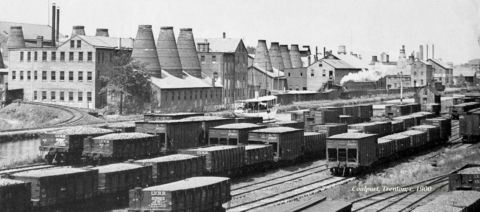
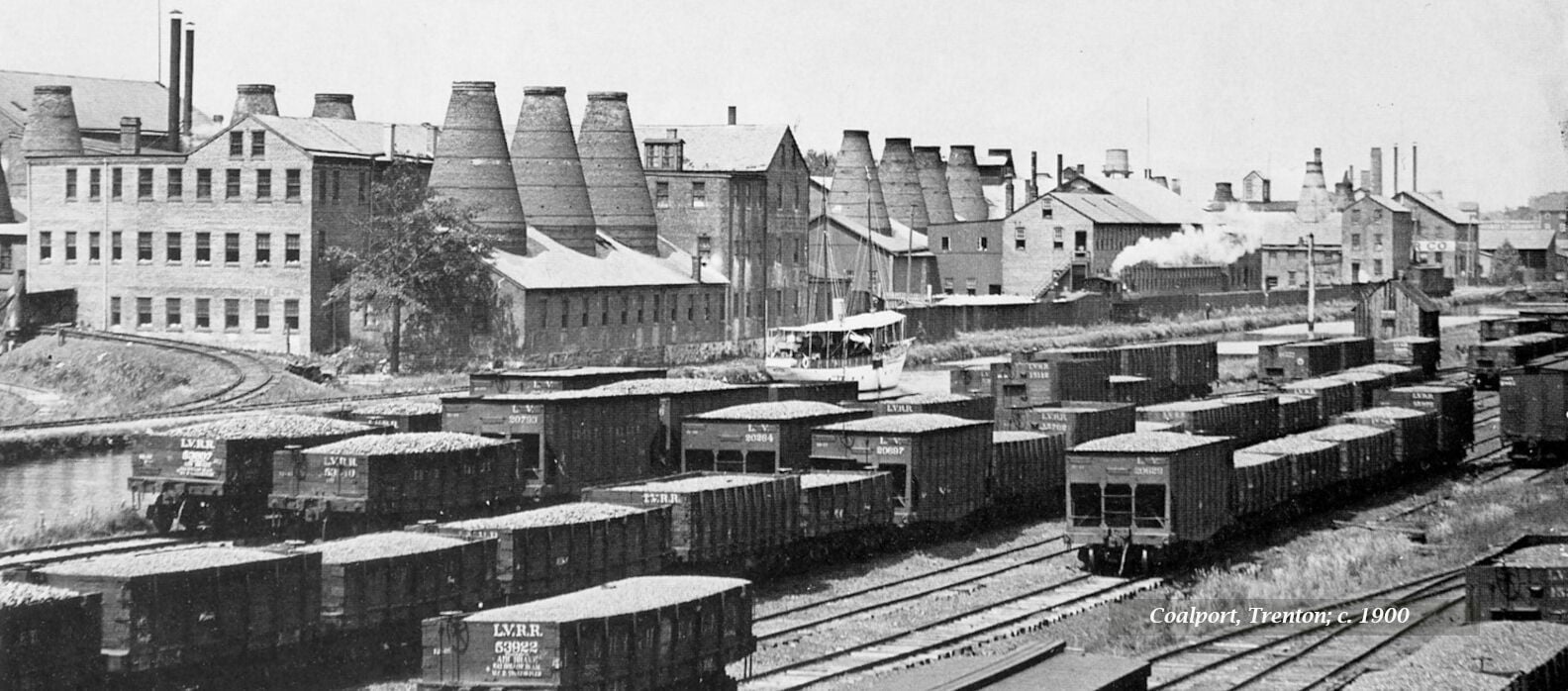
The Historic Potteries site includes areas once occupied by dozens of commercial pottery operations that commonly used lead-based glazes and coatings.
In a statement, Mayor Reed Gusciora welcomed the EPA’s commitment.
“We know the dangers of lead exposure are serious and long-lasting—especially for children, who are most vulnerable to its impacts on health, behavior, and learning,” Gusciora said.
“With federal support, we can accelerate cleanup efforts, pursue accountability from responsible parties, and bring meaningful revitalization to our neighborhoods,” the mayor said.
Lead exposure is particularly harmful to children, causing developmental delays, learning difficulties, and behavioral problems.
While short-term actions—such as soil covers and fencing—have already been implemented at key sites, the Superfund designation will enable the EPA to conduct a full-scale investigation, secure long-term funding, and initiate a comprehensive cleanup plan.
The city’s Department of Health has worked with the EPA since its investigation began in 2018. The EPA has already taken immediate protective actions, installing temporary soil covers at Ulysses S. Grant Intermediate School and completing similar measures at Sonny Vereen and Breunig Avenue Parks. The agency is also providing free soil testing to residents.
The announcement was also celebrated by the nonprofit East Trenton Collaborative, which has been working specifically on lead contamination issues in the East Trenton neighborhood for more than five years.
“This is a bittersweet accomplishment for our team and residents. The generational toll of this level of unmitigated contamination is felt daily by our community.” Said Caitlin Fair, Program Director of the East Trenton Collaborative. “However, we are both relieved and hopeful that the work we have been able to do and will continue to do will be of tremendous benefit to future generations and significantly move the needle on our goal of creating a just and equitable environment and enhancing the quality of life for the residents of East Trenton and the entire city.”
While EPA’s investigation began in 2018, the East Trenton Collaborative has intensified efforts over the past two years, working closely with the EPA to ramp up testing and push for immediate action on high-risk public and private sites. The organizing work has been led by ETC’s resident-driven Environmental Safety Community Organizing Committee, headed by ETC organizer Shereyl Snider.
As part of this initiative, the East Trenton Collaborative, in partnership with Lead-Free NJ, was designated as a Lead-Free Community Hub. In this role, ETC, with administrative support from Isles, has focused on increasing public awareness about lead toxin dangers and engaging in direct advocacy for lead service line replacement, home lead testing, children’s blood lead testing, and widespread soil testing at local, state, and federal levels.
“Our residents didn’t just demand action — they became experts,” said Snider. “We partnered with Rutgers to train a cohort of community members as community scientists, teaching them about lead exposure and how to collect soil samples for testing. This community has been leading the fight for environmental justice.”
The Superfund program, created under the Comprehensive Environmental Response, Compensation, and Liability Act (CERCLA) of 1980, authorizes the EPA to clean up the most contaminated sites in the country.
With the site now officially on the NPL, the EPA will use federal funding for investigations, design and cleanup at the site. EPA will also pursue potentially responsible parties for cleanup costs wherever possible. The designation allows for a comprehensive Remedial Investigation and Feasibility Study, followed by implementation of a long-term cleanup plan that will address the contamination affecting homes, parks, and public spaces across the neighborhood. Roughly 1,300 sites nationwide are currently on the list.
“Today’s announcement builds on years of previous work already done at the site by EPA and NJDEP to protect the community,” the EPA said in its release.
Gusciora thanked the EPA and the New Jersey Department of Environmental Protection for their partnership.
“We look forward to continuing our work together to ensure every family in Trenton — especially in our North Ward — can live, learn, and play in a safe and healthy environment,” Gusciora said.
For more information about the Historic Potteries cleanup and the Superfund process, visit epa.gov.