Lights, camera, action! Hollywood may soon be coming to a town near you.
New Jersey recently added Hamilton, Hightstown and Robbinsville to its growing list of “Film Ready” communities, with the N.J. Motion Picture and Television Commission announcing March 11 that the three Mercer County municipalities were among 15 statewide to complete the Film Ready New Jersey program.
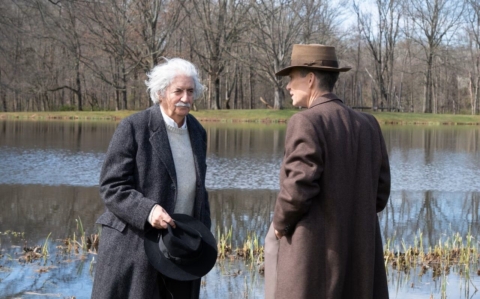
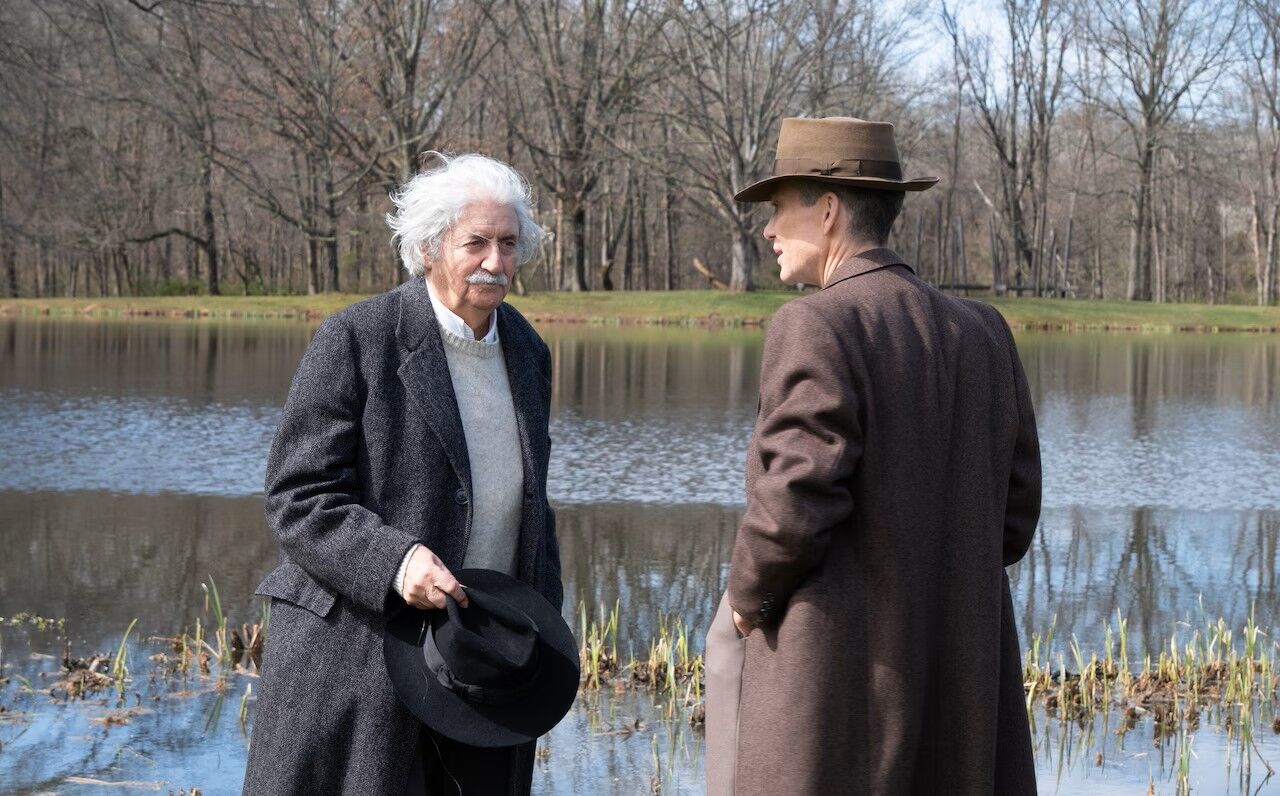
Princeton is also expected to join the list. The town continues to pursue certification as it looks to attract film and television productions. Past movies filmed there include “Transformers: Revenge of the Fallen,” “IQ,” “A Beautiful Mind,” and Oppenheimer.”
The designation brings the statewide total to 58 Film Ready communities—a continued expansion of an initiative, which is aimed at capturing a larger share of the film and television industry’s rapid growth in the Garden State.
The Film Ready program involves a five-step certification process that trains municipalities on the logistics of hosting productions, including permitting, public safety coordination, location scouting and working with production crews.
Municipalities must designate a film liaison, adopt standardized permitting procedures and submit local locations and resources to a statewide database used by industry professionals.
Hamilton’s inclusion reflects its wide range of potential filming sites, from residential neighborhoods and municipal parks to commercial corridors and institutional properties.
Mayor Jeff Martin said the designation creates new opportunities for residents and businesses across the township. “Being recognized as ‘Film Ready’ puts Hamilton on the map in a whole new way,” Martin said.
Kate Kane, of the township’s economic development office, said Hamilton began pursuing the designation about a year and a half ago as a way to create opportunities for local businesses.
“We expressed interest in getting the certification probably about a year and a half ago, and I really did see how important this could be for so many of our small businesses,” Kane said. “We had a lot to highlight, including our historic homes, parks and assets like Grounds For Sculpture.”
Kane said the rapid growth of film production in New Jersey, along with state tax incentives, is driving increased interest in Central Jersey. Spending has grown from $67 million in 2017 to more than $833 million in 2024, according to the New Jersey Economic Development Authority.
“State tax incentives are a major driver,” Kane said, noting they encourage filmmakers to consider Central Jersey and Mercer County.
The program offers tax credits of up to 30% for in-state production expenses and 35% for projects filmed outside the New York City metro area, including Mercer County, according to the New Jersey Economic Development Authority.
Kane said even productions that are not filmed directly in Hamilton can benefit local businesses.
“Even if they’re not filming specifically in Hamilton, these productions need catering services, print shops, lumber and more, and those are all businesses we have here,” Kane said. “They’re not bringing that in — they have to use local resources.”
Listings in the state’s location database highlight the township’s diversity and versatility, including wooded parkland, lakes, historic structures, schools, athletic fields and suburban streetscapes that can double for a variety of settings.
Sites include Grounds For Sculpture, Sayen House and Gardens, the Isaac Watson House, the John Abbott II House and natural areas such as the Abbott Marshlands and Tulpehaking Nature Center.
Robbinsville leaders similarly emphasized the township’s diversity of locations, pointing to its blend of preserved farmland, established neighborhoods, parks and a developing town center.
“Robbinsville Township offers a diverse and dynamic range of filming locations — from historic areas and a vibrant downtown to welcoming neighborhoods, parks, and distinctive landmarks — making it an ideal canvas for filmmakers of all genres,” said Mayor Mike Todd.
He added that the certification sends a signal that Robbinsville is prepared to accommodate productions efficiently while leveraging filming activity to benefit local businesses.
“Achieving N.J. Film Ready Certification sends a clear message that we are prepared, responsive, and eager to welcome productions, while creating meaningful economic opportunities for our local businesses and strengthening our community without placing additional burden on residents,” Todd said.
The township is encouraging residents and business owners to participate by listing properties and services that could support film productions. Locations can be submitted through the state’s online database at film.nj.gov by creating an account and uploading photos and site details.
The state is seeking a wide range of locations, including residential homes, warehouses, farms, restaurants and small businesses. Submitting a property to the database is free and open to both homeowners and commercial property owners.
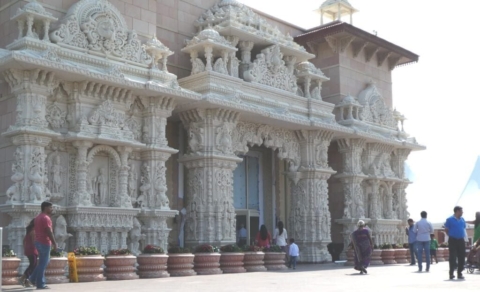
Examples of local sites that might make for great Film Ready locations include the BAPS Swaminarayan Akshardham complex, Robbinsville Town Center, Working Dog Winery, preserved farmland and open space, as well as suburban neighborhoods and commercial corridors along Route 130 and Route 33.
Businesses that may want to register include services such as catering, lodging, construction supplies, transportation, printing, storage and security, services that are key needs for film crews.
The township said connecting productions with local vendors can help maximize the economic impact of filming by keeping spending within the community.
Robbinsville is also promoting its geographic advantages, noting its central location within an hour of both New York City and Philadelphia, as well as direct access to major transportation routes including the New Jersey Turnpike, Interstate 195, Interstate 295, Route 130 and Route 33.
Hightstown leaders pointed to the borough’s historic character as a key asset for film production. Mayor Susan Bluth said the community’s “historic, beautiful Victorian” architecture and traditional downtown make it well-suited for filming.
The borough previously adopted local filming regulations to support its application, with officials emphasizing the goal of attracting productions while maintaining residents’ quality of life.
Officials said that the combination of accessibility, available parking and a range of filming environments makes the borough attractive to production companies seeking flexible locations.
They added that film permits are required for commercial filming on town-owned property, including parks, historic buildings and public facilities, while standard news coverage is exempt from those requirements.
Hightstown’s film-ready sites include the Stockton Street Historic District with its Victorian homes and landmarks, the downtown business district along Route 33, and properties such as the Samuel Sloan House and the Peddie School campus. The borough also offers historic residential streets, small-town storefronts, parks and lakeside settings that reflect its traditional character.
The state maintains a catalog of approved filming locations, providing production companies with a ready-made inventory of potential sites and local resources.
* * *
In Princeton, officials are taking steps to join the program and further formalize the municipality’s long-standing appeal as a filming destination.
The Princeton Council recently adopted an ordinance updating local filming regulations to align with Film Ready requirements and establishing a more consistent and streamlined permitting process.
The ordinance is designed to balance the needs of production companies with the quality of life of residents by minimizing disruptions while making it easier to coordinate filming activities.
“Princeton has long been a sought-after filming location because of its rich history, distinctive architecture, collegiate atmosphere and abundant green spaces,” Council President Michelle Pirone Lambros said.
She noted that productions such as “Oppenheimer” and “IQ” have already utilized Princeton’s unique character, and that pursuing certification will help the municipality compete for additional projects.
Princeton’s location database includes the Princeton University campus, Nassau Street and the downtown business district, historic homes, Morven Museum & Garden, Princeton Battlefield State Park and scenic areas such as Lake Carnegie.
Princeton has already completed several steps in the certification process, including attending Film Ready workshops, designating a municipal film liaison and submitting potential filming locations to the state database.
The final step — compiling a list of local resources to support productions — is currently underway, after which the municipality will submit its formal application for certification.
The Film Ready program is part of a broader strategy to expand New Jersey’s role as a national hub for film and television production.
The industry has seen significant growth in recent years, fueled in part by state tax incentives and increased demand for streaming content.
In 2024, film and television production generated more than $800 million in spending statewide, supporting jobs across a wide range of sectors including construction, hospitality, transportation and local services.
Municipalities that achieve Film Ready certification are better positioned to capture that economic activity by offering a predictable and professional environment for production companies.
The program also aims to create consistency across municipalities, allowing filmmakers to navigate permitting and logistics more efficiently when working in different parts of the state.
“New Jersey’s variety of landscapes and locations, from charming main streets and bustling city blocks to rugged mountains and vast farmland, are a major asset for the state’s film and television industry,” said state Economic Development Authority Chief Executive Officer Evan Weiss.
“As film and television production continues to break records in New Jersey, local communities need to be prepared to handle the unique needs of the industry,” said Jon Crowley, executive director of the N.J. Motion Picture and Television Commission.
Middlesex highlights transportation innovation at symposium
Middlesex County officials highlighted new technology initiatives, safety strategies and regional coordination efforts during the county’s third annual Transportation Symposium on March 18.
The event emphasized data-driven traffic management, autonomous vehicle planning and stronger collaboration among local, county and state agencies to improve mobility and roadway safety.
The Middlesex County Board of County Commissioners hosted the symposium at the New Brunswick Performing Arts Center, bringing together municipal officials, transportation planners, public safety professionals and industry leaders.
Keynote speakers included New Jersey Department of Transportation Acting Commissioner Priya Jain and NJ TRANSIT President and CEO Kris Kolluri, who outlined statewide priorities and the growing role of technology in transportation systems.
“Here in Middlesex County, transportation is a critical investment and a cornerstone of economic development,” said Middlesex County Commissioner Director Ronald G. Rios. “By investing in innovative initiatives like DataCity and fostering strong partnerships at every level of government, we are creating a smarter, safer, and more resilient transportation network for our residents and businesses.”
“The Transportation Symposium provides an important opportunity for municipal leaders and transportation professionals to exchange ideas and learn about new tools and technologies that can improve safety and connectivity in our communities,” said Middlesex County Commissioner Charles Kenny, chair of the Transportation Committee.
“Transportation works best for the public we serve when it’s viewed as one connected system — one journey, from the first mile to the last mile,” Jain said.
“I was pleased to join partners from Middlesex County, Rutgers, and across the transportation community to discuss how collaboration and technology can strengthen mobility in our region,” Kolluri said.
The symposium spotlighted several initiatives and concepts shaping transportation planning in the county.
One of the key programs discussed was DataCity, a Middlesex County initiative that uses advanced analytics to monitor traffic patterns, improve planning decisions and enhance roadway safety.
Officials and researchers also discussed plans for autonomous vehicle deployment at Middlesex College through Rutgers University’s Center for Advanced Infrastructure, along with emerging concepts such as advanced air mobility and urban air mobility.
Breakout sessions provided more detailed discussions on specific challenges and strategies.
A session on safety and accessibility, led by Keep Middlesex Moving and the North Jersey Transportation Planning Authority, focused on Complete Streets initiatives, Vision Zero strategies and tools to help municipalities evaluate local transportation needs.
Another session examined advanced transportation technology, including innovations in traffic systems and future mobility concepts.
A utilities roundtable brought together engineers, public works officials and utility representatives to coordinate infrastructure projects, review upcoming capital work and discuss updated permitting and 5G-related regulations.