Mobility — the ability to move from place to place, whether by foot, bike, train, or car — is intrinsically linked to freedom. Freedom, in turn, goes hand in hand with opportunity. So what happens when societal forces converge to limit mobility?
In his new book “Arrested Mobility: Overcoming the Threat to Black Movement,” author Charles T. Brown argues that limitations on mobility are an issue that Black people in the U.S. and around the world continue to confront as a consequence of structural racism.
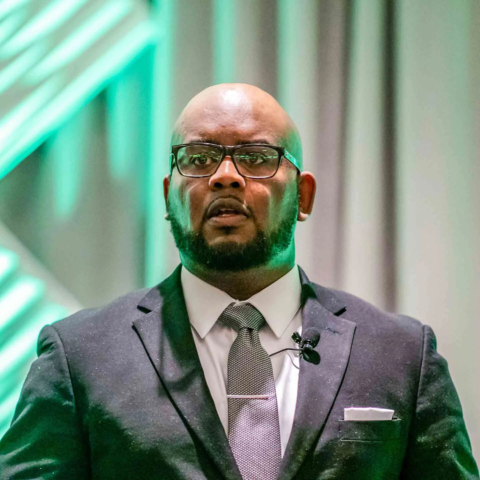
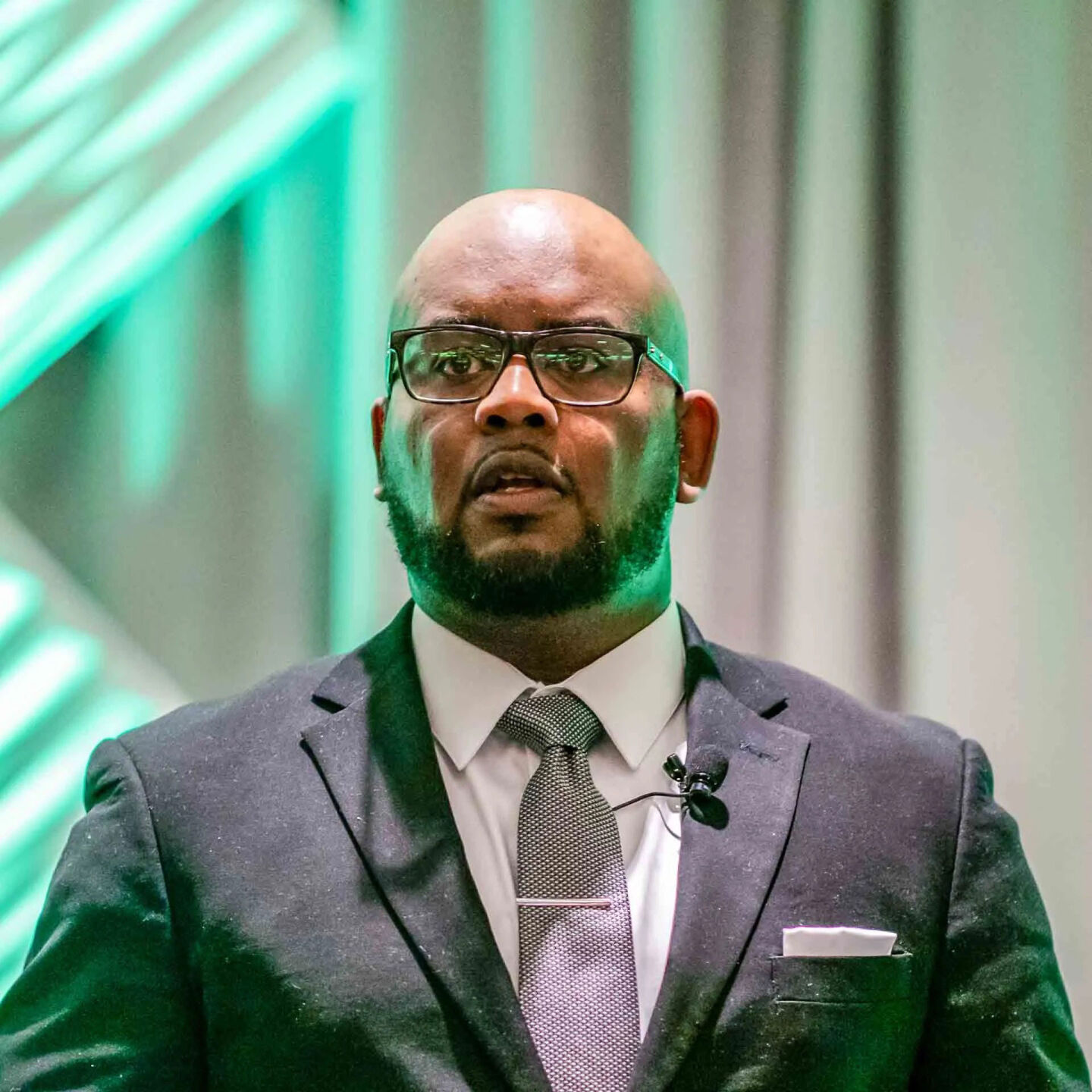
Brown, the founder of transportation consulting company Equitable Cities and an adjunct professor at the Edward J. Bloustein School of Planning and Public Policy at Rutgers University, discusses his book as part of the Sustainable Minds Speaker Series at Princeton Public Library, 65 Witherspoon Street, on Wednesday, May 21, from 7 to 8:30 p.m. The free event, presented in partnership with Sustainable Princeton and Not In Our Town Princeton, will also be livestreamed on the library’s YouTube channel. Register to attend in person at www.princetonlibrary.org.
Brown earned his bachelor of science in management from Belhaven College and his master of public administration and graduate certificate in urban and regional planning from the University of Central Florida. Prior to founding Equitable Cities, he served as a researcher at the Alan M. Voorhees Transportation Center at Rutgers University, where he studied the role of race and racism in transportation and mobility. Equitable Cities, based in Somerset, provides research, planning, policy, and multimedia services related to Complete Streets, equity and environmental justice, public outreach and engagement, Vision Zero, bike share, and bicycle and pedestrian master planning. Learn more at equitablecities.com.
“Arrested Mobility: Overcoming the Threat to Black Movement” was published by Island Press on May 15. In his introduction, Brown explains how his upbringing in the predominantly black town of Shuqualak, Mississippi, by a devoted mother and drug-addicted father gave him an early view of the causes and consequences of restricted mobility.
“My journey in Shuqualak was shaped by the intersection of personal and systemic challenges. Despite the unwavering love and support from my family, neighbors, and the residents of this close-knit community, I couldn’t escape the painful realities that surrounded me. My father, a brilliant and talented man, was visibly present in my life yet tragically inaccessible because of his struggle with drug addiction, a battle that ultimately took his life and with it the hero I longed for in a father. His struggle is emblematic of the broader challenges that have arrested the mobility of so many in our community — a reflection of how public policy, planning decisions, and policing practices have created environments where potential is stifled and lives are often cut short.
“In Shuqualak and across Noxubee County, the high poverty rates, low educational attainment, and limited access to healthcare are not just statistics; they are the direct results of historical and ongoing policies that have systematically disadvantaged Black communities. The legacy of segregation, the lack of resources for public schools, and the planning decisions that have isolated our communities from economic opportunities are all part of a broader strategy that has kept Black people from moving forward. These are not just accidental outcomes; they are the deliberate results of public policies and planning decisions designed to maintain racial hierarchies.”
“The roots of these challenges are deeply embedded in the fabric of our society, reflected in the overpolicing of our communities, the exclusionary practices in public policy, the inequitable distribution of resources, and the planning decisions that have consistently prioritized the needs of others over our own.”
Later in his introduction, Brown defines the term that gives his book its title. “Arrested mobility,” he writes, is “the intentional and incomplete access to all means of movement in public and private spaces by way of deliberate overpolicing, which has, in turn, made us less safe and limited social mobility. Arrested mobility leads to paralysis among Black Americans who find themselves trapped in a system that confines their physical movements and provides only narrow, perilous openings from social mobility. Arrested mobility makes it difficult for Black people to engage in civil society.”
The origins of these limitations come from what Brown terms the “four Ps”: Polity, Policy, Planning, and Policing. The book draws on Brown’s personal experiences and those of other Black Americans along with Brown’s research to explore the “four Ps” and suggests solutions.