Self-care practices are endlessly customizable yet effective methods for gaining a comprehensive sense of health and wellness. Regularly employing coping skills that uplift you emotionally, physically, socially, spiritually, and psychologically has been scientifically proven to reduce negative feelings, but many people often do not incorporate such behaviors into their daily routines — let alone those with demanding schedules or caretaking roles.
But instead of a singular mission, Penn Medicine Princeton Health and Princeton House Behavioral Health have taken these ideas from buzzwords to behavior with a series of free self-care courses on the second Wednesday of every month at 7 p.m.
Beginning in 2022 under PMPH’s Community Wellness program, the sessions focus on a special topic of self-care in a rotating format between in-person and online. Each is led by a company professional with knowledge in subjects like mindfulness, journaling, and deep breathing, as well as others that may not be commonly utilized or applied for managing stress.
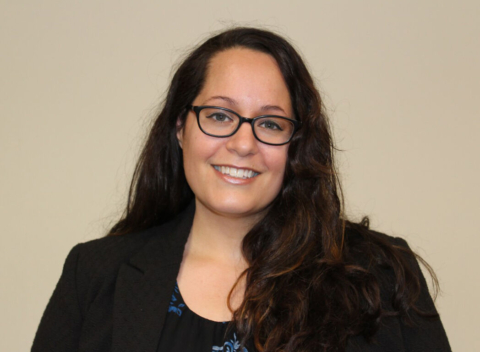
The first event on January 12 was presented by Christine Isaac, a licensed clinical social worker and alcohol and drug counselor who introduced participants to the concept of self-care for a better understanding of what the term and its benefits can entail.
Isaac, a community relations representative who has been with Penn Medicine Princeton House Behavioral Health since starting as a social worker in 2015, says that people are generally unaware of “how there are so many different types of self-care that are out there — and really, it’s an individual journey of figuring out that balance.”
On Wednesday, November 9, registered dietician Katie Gaffney will host a course on “Mindful Eating, Nutrition and Mental Health” to expand on how proper physical nourishment can nourish the mind, as well as “practical day-to-day strategies to make nutrition part of your mental health toolbox,” according to the Eventbrite page for the event.
While Isaac returns to wrap up the first iteration of the series on Wednesday, December 14, under the theme of “reflections,” or a review of the past year through prompts and exercises, the programming at PMHM will continue in 2023 with a new set of speakers.
To register for either session, visit the Penn Medicine Princeton Health Community Wellness page on Eventbrite.
In 1919, the company now known as Penn Medicine Princeton Health was first established on Witherspoon Street as the Princeton Hospital. Over the years, the organization has expanded, creating Princeton House Behavioral Health in 1971 and relocating its medical center to Plainsboro.
As a system of related entities under PMPH, its services range across the counties of Mercer, Middlesex, and Somerset, as well as multiple aspects of healthcare; medical (Princeton Medical Center); behavioral (Princeton House Behavioral Health); in-home nursing, rehabilitation, and hospice care (Princeton HomeCare); primary and specialty care (Princeton Medicine Physicians); and “ambulatory surgery and wellness,” according to Penn Medicine Princeton Health’s 2021 community health needs assessment (CHNA).
The PMPH Community Wellness program, and the organization’s professionals within it, are described on Eventbrite as being “dedicated to promoting healthy living at every stage of life and to enhancing quality of life by addressing the unique needs of women, men, seniors, children, adolescents, and diverse populations.”
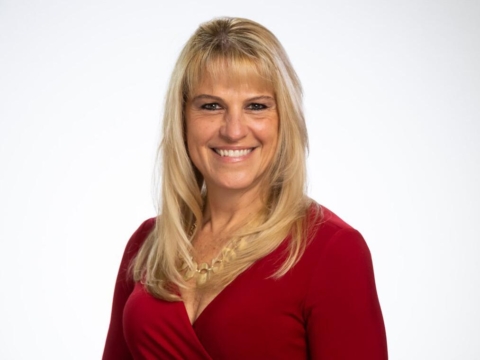
Deborah “Debbie” Millar is the director of community wellness and engagement at Penn Medicine Princeton Health. She is a registered nurse who, in addition to being with the company for more than 30 years, has certifications in mental health first aid, yoga, self-defense, and more.
“In 2009, we really wanted to get the pulse of the community and look to see what their needs were, so we did our first community health needs assessment then,” Millar explains. “Mental health services always come up as a priority area, and always [have] since we’ve been starting to do them.”
PMPH has continued to gather this information every three years, and with the passing of the Patient Protection and Affordable Care Act of 2010, similar entities were now federally required to complete a CHNA if they were not already doing so.
According to the 2021 CHNA document, PMPH partnered with Boston-based nonprofit consulting organization Health Resources in Action (HRiA) to conduct this past year’s survey. Together, they identified areas of concern from a total of 2,355 participants, with those being used to adopt a new “strategic implementation plan” for 2022-24.
The figures shared similarities with prior assessments from 2012, 2015, and 2018, but also reflected factors “exacerbated” by the COVID-19 pandemic. Community health responses specifically noted a lack of available affordable housing, as well as barriers to accessing healthcare for marginalized groups including but not limited to communities of color, low-income populations, disabled individuals, and those within the LGBTQ+ umbrella.
By merging both the feedback and secondary data, PMPH began the process of developing programs to address five categories of issues. Those priorities, in order, are as follows: chronic disease, obesity, healthy eating and active living (HEAL); behavioral health; health care access; maternal child health; and elder health.
As expected, Millar notes that the number of reports citing mental health problems had “dramatically increased” in the most recent review, yet PMPH met these higher rates with a different approach.
While the community wellness department has consistently polled the community on what they desire to see in future classes, PMPH was able to launch an extension of those evaluations with three new initiatives informed by its public outreach.
The classes on mental health first aid, self-defense, and self-care have been successful throughout 2022, with the popularity of the first two, Millar says, coinciding with the “social determinants of health” — also known as how mental health issues can stem from personal experiences like domestic violence and losing a loved one.
Before defining the self-care series, Millar emphasizes how the mental health first aid program is a great introduction to the concepts featured in the former course. By shedding light on the rise and “prevalence of mental health disorders” in society, Millar explains that gaining an understanding of these conditions can help fight the stigma attached to them.
This is relevant for the large number of employees that are now, instead of remaining in their remote or hybrid positions, struggling with the expectation to reacclimate to traditional work environments; besides the physical changes, this might also mean a return to, or increase in, schedules and pressures.
“People are afraid to step forward because of fear of retribution; if it’s with your job, or ‘maybe they won’t let me have the promotion that I wanted or get on that project that I really wanted to do because they don’t think that I have the capability to do it,’ or ‘maybe I’ll lose my job altogether,’” Millar says. “There’s also the stigma of ‘feeling uncomfortable that everybody is going to be looking at me differently,’ whether it’s not necessarily job-related fear, but just ‘anybody in general looking at me differently because I have come forward with a mental health issue.’”
“If we all know a little bit more about mental health disorders, then we may be more willing to help each other,” she adds. “Everyone is more willing to help those [who], for example — if you have a neighbor who broke their leg, you’re more than likely going to make a casserole for them and go talk with them and see how they’re doing. But if they have a mental health disorder, you’re very much likely not to go over because you don’t know what to say, you don’t know what it means, [and] you don’t want to say the wrong thing.”
In an expansive educational history that benefits both those unfamiliar with or experienced in dealing with mental health issues, Millar says that PMPH reviews everything from “the two most common” disorders such as anxiety and depression to others like substance abuse, psychosis, schizophrenia, eating disorders, suicide, and self-harm.
By examining the definitions, “warning signs,” symptoms, and factors — gender, age, support system, family history, etc. — at play, Millar hopes that people will be better equipped to handle when someone expresses these feelings.
Supporting them in non-judgmental listening and/or conversation is valuable, she says, but the class also explains how, when “reassurance and information” are no longer enough, “where do you go, and how do you get them there?”
“The courses that we offer in the community, and the information sessions that we offer in the community, really help people understand that mental health disorders can be just as debilitating as physical disorders, and that if we understand the process, we can understand how we can help them,” Millar continues, noting the importance of breaking down the misconceptions, and often complete misinformation, people might be referencing.
“We tend to fill up every time we offer it, and not only to the general community, but a lot of businesses and corporations are now asking us to come in because they’re all starting to come back from the pandemic, and people are now back in the workforce,” Millar explains. “That brings a whole other host of mental health issues that are occurring because of the stress and the anxiety that deals with coming back into the workforce in person as opposed to virtual.”
Millar says that any business representatives with interest in the program can contact her, either through phone or email, to discuss implementing a course, series, or ongoing program for their employees.
To this, Isaac also adds that meeting those mental health and wellness needs impacts the functioning of businesses, but institutions in general; back when stay-at-home orders were first enacted in 2020, for example, she shares that many of the personnel at PMPH were considered essential frontline workers.
This required an increased oversight of staff and faculty to ensure that not only could they safely provide services, but were also taking care of themselves — she helped PMPH promote that message as much internally as externally, with Isaac explaining the urgency behind communicating how all needs were of equal importance in such an unprecedented time.
The idea behind the saying “you can’t pour from an empty cup,” complete with the visualization of a coffee mug, became the overarching theme of the campaign to promote “self-care and mental health wellness to our own staff first” before tending to others.
“If we’re not taking care of our mental health needs personally, it’s going to impact how we are able to handle ourselves professionally, which in turn impacts how businesses are running and functioning within the community,” Isaac says. “It really starts with us.”
PMPH staff are encouraged to join in on the free programming they offer, so with the simple click of a mouse, Isaac explains, the self-care series can serve as a reminder to prioritize activities that allow one to unwind and relax.
“Even if you’re a mental health professional and you think you know all about yoga, take a step back, engage in this, and even if you know every single move? Enjoy it. Act in your own self-care or learn a little something new that you might not have learned before, and see how it impacts your overall wellness,” she says. “[It] also impacts how you act in the workplace and how you are with your interpersonal relationships in general.”
Her December 14 “Reflections” event looks to the future of establishing “self-honoring goals for 2023” where care meets accountability, as well as the healthy contemplation needed to forge a strong path ahead.
Participants can feel free to share what they might have learned from prior PMPH sessions, even if those are not connected to a class or area of expertise; this allows people to evaluate the efficiency of their self-care practices just in time for a new year of fresh starts.
Isaac is currently pursuing her doctorate in social work from Capella University after receiving her bachelor’s in clinical psychology from The College of New Jersey, then her master’s in social work from Monmouth University.
“I’m excited to wrap up the series, especially because I’ve had the honor of being able to kick it off, and it’ll be interesting to see the momentum it gained. I’m hopeful that maybe I’ll see some people that attended on the very first session,” Isaac says. “I think we all know that the past couple of years in particular have been some of the hardest with the collective trauma that we’ve experienced with the pandemic. It’s a beautiful thing to connect with the community and give back in this way. It’s reinforcing for me as an individual, too, when I get a chance to share with the community about the importance of self-care. It’s a good reminder to myself of ‘look at all these beautiful things I can be doing,’” she explains.
The class with the largest number of participants has been yoga, according to Millar, but others had more than 135 people in attendance. PMPH have also started an 8- to 12-hour resiliency program, with Millar sharing that they have recently trained the Plainsboro and Princeton Police Departments in how to build “emotional, cognitive, mental, physical, and spiritual resilience.”
The subjects of the self-care series were chosen not only based on the practitioners’ specializations, but responses gathered from the community health needs assessment and the range of techniques required for optimal mental health maintenance.
“I think when we think about self-care, we can’t just focus on one or two topics, because it is such a vast subject really, when you think about self-care; this includes exercise, it includes nutrition, it includes meditation, it includes creative modes — there are so many different things umbrellaed under self-care, and I think we all need to keep our self-care skills diversified as much as possible, because one method might work today for a specific stressor and feelings, another method works tomorrow,” Isaac says.
“I personally love the topics that we did on gratitude and art,” Isaac says of her favorite events, calling the former a “great, simple little one-off…that most people maybe wouldn’t have picked, or thought of.”
“We don’t necessarily take a step back and think, ‘how is my being grateful for something today going to change my mood, my perspectives or how I might perform?’” she explains. “[But] the thoughts we focus on really do impact our overall emotional outcome, and therefore our performance or behavioral outcomes.”
Millar agrees, adding the following sentiment: “What we think is how we feel, and how we feel is what we do, so if we can think about giving ourselves gratitude and learning how to be more resilient and understand the situations in front of us and be thankful for what we’re doing each and every day, [it] really helps our resiliency and tone throughout.”
From the input gathered thus far, PMPH Community Wellness has already designed new programs such as mindful hikes at the Princeton Institute Woods and other local sites, Millar explains. Those will be available starting in the spring to continue “throughout the summer,” while another series, ‘Hobbies for Health,’ would examine how pastimes like art or crocheting can positively contribute to self-care and overall wellbeing.
“There’s still a lot of stigmas about mental health, and even though there’s been more awareness about the importance of mental health that’s been raised since the pandemic, the stigma is still there. It can be a little anxiety provoking, going outside of that comfort zone and signing up for something that’s really focused on taking care of yourself in a different way, or focused on mental health and wellness,” Isaac acknowledges. “But the outcome in being able to engage in something like this is completely invaluable, and being able to connect with other people, you get a chance to really see the human [quality], that we’re all just people.”
“At the end of the day, we’re all just people; we all have our own mental health and wellness needs, but being able to engage in the resources that we have, what do you have to lose? Everything to gain.”
She also recommends “Mind on Mental Health,” a podcast hosted by senior community liaison and fellow LCSW Andrew Dean, for additional perspectives on wellness from Penn Medicine professionals. Isaac herself is featured in part two of “Mental Health Strategies for Healthcare Professionals During the Pandemic” from March 2021.
Each episode is under 30 minutes and interviews others in the field on themes such as work/life balance, weight bias in the media, treating chronic eating disorders, and harm reduction myths. It is currently available through all traditional podcasting platforms.
Through this educational yet restorative series from Penn Medicine Princeton Health Community Wellness, professionals instruct attendees to discover what self-care methods work best for alleviating their personal stressors. The choice of striking a yoga pose or setting goals is all yours, but the year’s programming is meant to help people move forward with ways of managing the burdens that might be impacting their behavioral health.
“[At] Princeton House Behavioral Health, we’re still continuing to be a very live pulse in the community, offering mental health services from intensive outpatient programming all the way up to inpatient treatment,” Isaac says. “We’re here; we’re not going anywhere, and we’re going to continue to do everything we can to meet the needs of our community wellness.”
Princeton House Behavioral Health (main campus and inpatient services), 905 Herrontown Road, Princeton. For general phone inquiries, call 609-497-3300.
For more information on community wellness programs, including the tailoring of “presentations and training for area businesses, organizations, provider offices, or groups based on their unique needs,” visit www.princetonhcs.org/events or call 609-897-8982.
For more information on admissions, see the Princeton House Behavioral Health page on the Penn Medicine website or call 888-437-1610 and choose option one — which is also the emergency line — to speak to a clinician about referrals, programs and services.