Amid a flurry of debate surrounding proposed changes to New Jersey’s long-standing regulations regarding liquor licensing, the Real Estate Business Alliance of the Princeton Mercer Regional Chamber of Commerce has convened a panel to discuss “Liquor License Reform and Its Impact on Real Estate.”
The event takes place Thursday, October 12, from 8 to 10 a.m. at Springdale Golf Club, 1895 Clubhouse Drive, Princeton. Cost: $45; $35 for members. For more information or to register, visit www.princetonmercerchamber.org or call 609-924-1776.
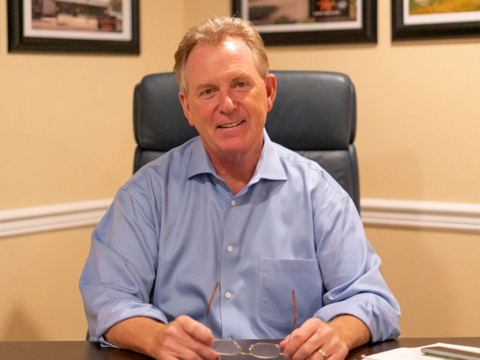
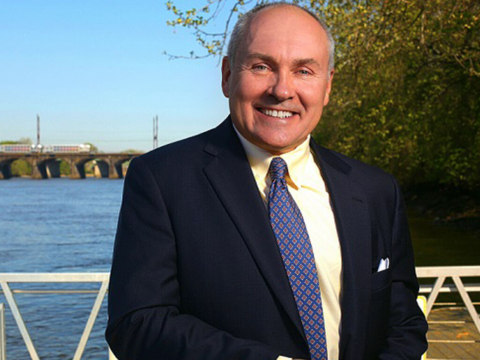
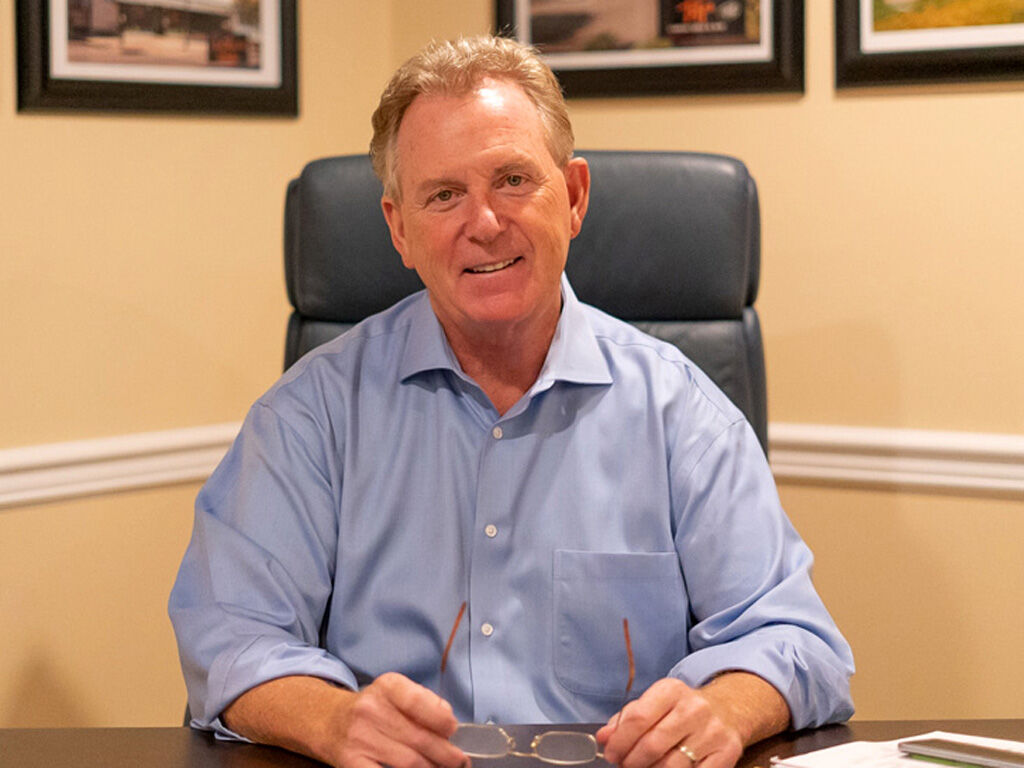
The moderator for the panel is Dottie Bolinksy, a partner in the real estate group at law firm Faegre Drinker Biddle & Reath’s Plainsboro office on College Road East. She is joined by Tim Delaney, the president and owner of Delaney Restaurant Realty and a board member of the New Jersey Restaurant and Hospitality Association; Eric Orlando, executive vice president of the Zita Group and executive director of the Brewers Guild of New Jersey; and George Sowa, CEO of Greater Trenton.
Under current rules, a cap put in place in 1961 limits on-premise consumption licenses at the municipality level to one for every 3,000 residents. Because licenses held prior to the implementation of the cap were grandfathered in, there is in practice closer to one license per 1,000 residents in the state.
The cap makes the licenses a valuable commodity, sometimes selling for more than $1 million when one becomes available. But it also leads a mismatch between supply and demand: some high-population urban areas have multiple inactive licenses, whereas competition for licenses is fierce — and prices astronomical — in growing suburban areas.
Earlier this year, the administration of Governor Phil Murphy proposed new regulations to help alleviate these issues. Under his plan, the population requirements would gradually be decreased over the course of five years, at which point they would be phased out entirely. The proposal also includes a means by which municipalities could reissue for sale licenses that have been inactive for a certain number of years.
Murphy’s plan would also remove restrictions that were placed on breweries, distilleries, and wineries in 2022 that limited the number of on-site events they could hold and barred them from coordinating with food trucks and nearby restaurants to offer take-out options. It would also eliminate a requirement that patrons at breweries or distilleries receive a tour prior to consuming beverages on-site. Earlier this year Murphy issued an order that suspended enforcement of these rules through the end of the current legislative session on December 31, 2023.
Murphy’s plan has the support of a bipartisan coalition of mayors representative of New Jersey’s demographic diversity. Members — who include John Ryan of Lawrence, Mark Freda of Princeton, Dave Fried of Robbinsville, Jim Davy of Pennington, Paul Anzano of Hopewell Borough, Michael Ruger of Hopewell Township, Bob Uhrik of Rocky Hill, Susan Bluth of Hightstown, and Hemant Marathe of West Windsor — signed an open letter earlier this year, stating:
“We the undersigned mayors of municipalities across New Jersey agree that our State’s outdated liquor license laws, which date back nearly a century to the immediate aftermath of Prohibition, are sorely in need of reform. Given the exorbitant costs for a license, coupled with the lack of availability and the existing population cap for municipalities, the present system favors the economically advantaged while hampering mom-and-pop businesses and towns with smaller populations.
“These reforms are long overdue and all the more pressing in light of the devastating impact the COVID19 pandemic has had on the hospitality industry in general and the distress it has caused for downtowns and Main Streets throughout New Jersey.
“As such, we offer our unequivocal support for Governor Murphy’s efforts to modernize our existing laws to make liquor licenses more affordable and accessible, particularly for small, local, and diverse business owners. Not only will this create greater equity across the board, it will also serve as a major catalyst to spur economic development and strengthen and revitalize downtowns throughout New Jersey.
“We also agree with the need to overhaul the cumbersome restrictions that presently exist for New Jersey breweries, which place them at a competitive disadvantage with neighboring states. This is evident by the fact that New York and Pennsylvania are home to more than three times as many breweries as New Jersey and generate roughly three times the economic activity. By permanently easing many of the unnecessary restrictions that exist, we can position our breweries for success and drive visitors and tourists to our towns.
“Equally important, we wholeheartedly support two other key tenets of Governor Murphy’s proposal, one of which will provide relief for current plenary retail consumption license holders impacted by the expanded supply of licenses, and the other which will maintain local control over the liquor license issuing process so that communities across New Jersey have the power to control what the future of their town will look like.”
The coalition’s letter touches on a key argument for those opposed to Murphy’s plan, the steep devaluation of one of current license holders’ most valuable assets — a liquor license. When limits on the number of available licenses are removed, the licenses that are now sold for a statewide average of around $350,000 will become effectively worthless. Murphy’s plan includes a tiered system of tax credits that would help alleviate that economic impact.
In an op-ed for NJ Spotlight, Michael I. Halfacre, the executive director of the Beer Wholesalers Association of New Jersey and a former director of the New Jersey Division of Alcoholic Beverage Control, noted:
“Under Gov. Murphy’s plan, after five years no license could be sold privately, effectively rendering current liquor licenses worthless and crushing their current fair market value. To address this loss, the governor also proposes a complicated system of tax credits to compensate for the loss of the license value. Unfortunately, a tax credit is worthless when your business does not turn a profit or goes bankrupt; and tax credits could cost taxpayers billions to fund.
“This proposal obviously impacts the over 7,000 family-owned bars, taverns and restaurants who currently hold liquor licenses in New Jersey. The Coalition for Responsible Alcohol Licensing has an alternative proposal that fulfills the goals set forth by the governor but does so without threatening financial ruin on current license owners.”
Halfacre argues that the problem is not a scarcity of licenses, but rather an improper distribution of existing licenses. He advocates for a system of loans and grants subsidized by the New Jersey Economic Development Authority to assist newcomers to the market.
He continues: “The governor has stated that the goal of his liquor license proposal was to spur development, encourage redevelopment of downtowns and provide opportunities to people of color and other small entrepreneurs. However, his plan would instead do the opposite and devastate existing bars, taverns and restaurants and those they employ. Our plan is based on existing legislation and policy adjustments within the EDA that would put licenses where they are most needed without increasing the overall number of licenses, while encouraging entry into the marketplace of those the governor wants to help.”
The speakers at the Chamber’s panel will discuss the current state of the liquor license debate, likely outcomes, and the potential impacts on business.
Tim Delaney has owned and operated Randolph-based Delaney Restaurant Realty since 1996, offering consulting services to restaurant buyers and sellers. He is a member of the New Jersey Licensed Beverage Association and New Jersey Restaurant and Hospitality Association, of which his served is chairman in 1993-1994.
Eric Orlando is executive vice president of the Zita Group, the public affairs and lobbying firm based on Sullivan Way in Trenton, where he works on policy development, strategic outreach, advocacy, and research. He is also executive director of the Brewers Guild of New Jersey, which represents the policy interests of New Jersey’s craft breweries and brewpubs.
George Sowa is the CEO of Greater Trenton, a nonprofit dedicated to advancing economic revitalization in the capital city. He previously spent 18 years with Brandywine Realty Trust.