The import/export game is rigged. In order to play, your company had better have a name like Wal-mart or General Motors, because there’s no way a small business can cash in on the international market for anything.
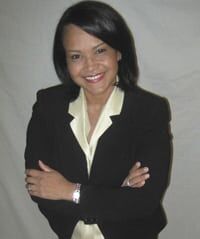
Is that what you think? You have a lot of company if you do. And all of you are wrong, says Carmen Morris, an import/export consultant who has been playing the game for 30 years or so. Importing and exporting, in fact, is quite a bit like what most companies are already doing locally or domestically — buying and selling goods and services, except those goods and services cross international borders. And it’s getting easier, thanks to a push by the Obama administration to ease trade hassles abroad, particularly for small companies.
Morris will present “Exploring International Markets Export/Import” through SCORE Princeton on Tuesday, August 27, at 6:30 p.m. at the South Brunswick Public Library. The free workshop will focus on the practical aspects of buying from and selling to global markets, such as how to choose a market, product requirements, finding buyers, cultural etiquette, payment terms, required documentation, and sales/marketing strategy. Call 609-393-0505 or visit www.princetonscore.org.
Morris got her start in global trade at the ripe old age of 19. While attending Berkeley College, from which she earned her bachelor’s in fashion marketing and design in 1984, she ran her own apparel business. She worked in the apparel industry for 16 years before buying a Re/Max franchise, which she operated for about 13 years. In the meantime she earned a second degree in business management from Manhattan College in 1993.
These days, the Dominican-born Morris — at age 5 she moved to New York with her parents, who operated an Exxon station — runs two businesses, Niviari & Associates in Parlin and Business Mastery Coaching Systems at 103 Carnegie Center both help clients understand the ins and outs of international trade. She also has been the chapter president of Princeton SCORE since last year and a business counselor for Partners World Wide, an international nonprofit Christian organization hoping to end poverty by developing businesses in developing countries.
It’s easier than you think. Keep in mind, if you buy supplies or services from another country, you are importing. If you sell to another country, you are exporting, whether it’s tangible merchandise to Africa or editorial services to Canada. Many businesses, Morris says, are already in the import/export game.
“The import/export business is not as hard as people think it is,” Morris says. Businesspeople tend to think that they need to know complex trade laws, international political situations, dense terminology, languages and customs, and everything else up to and including a secret handshake.
But, Morris says, there’s a simple solution to all these hurdles — outsourcing. And this is something companies do all the time, whether they sell shipping containers to Asia or muffins to the neighborhood. Business owners hire accountants to do their taxes, lawyers to inform them of legalities, and consultants to help them do everything from finding resources to connecting with new customers. Morris connects businesspeople with manufacturers and earns a commission for her efforts. Sometimes she helps clients connect with foreign banks. Other trade consultants help businesspeople find transportation firms or materials or foreign labor.
Use free resources. OK, so consultants can get pricey. The good news is that the federal government will fill you in on scads of things you need to know, for free.
Morris points clients and those who attend her occasional workshops toward the U.S. Department of Commerce, which, through the International Trade Administration and the Department of Commercial Services, offers free reports and analyses on international markets, forms, and even a matching service that connects American businesses with international buyers.
Yes, that’s exactly what it sounds like — if you want to sell to, say, India, the DOC will help you locate buyers for your products or services there. This, Morris says, may be the most valuable free federal trade service that people largely don’t know about. “The Department of Commercial Services has connections in 80 countries and has 100 offices in the U.S.,” she says. “And so many people don’t know that.”
The Obama administration in 2010 launched the National Export Initiative to help clear up the historically tangled process of doing business with foreign countries. The initiative particularly aims to help small businesses reach global buyers and has paved the way for many mom-and-pops to do just that, Morris says.
The value of foreign trade. The monetary value of trading with more people is obvious. But many people do not realize just how big the foreign market is. Says Morris, 70 percent of U.S. buying and selling power is international. Almost three-quarters of every dollar bought and sold with U.S. currency is taking place elsewhere. And just as there is here, there is a market for everything abroad.
Morris concentrates on Africa currently. Formerly war-torn, developing nations there are starting to build and rebound, she says. This has opened the gates for all things American. Cosmetics, for example, are huge in countries such as Angola. “All that stuff we have here? They don’t have it in other countries,” she says. The things we take for granted — the cosmetics counter at a mall, art supplies, pieces of technology — don’t exist in emerging nations the way they do here. These places crave American goods to help them on the road to better lives. Technology, she says, is a golden commodity in Asia, where 70 percent of the population is age 35 or younger.
Security. Dear Sir — I am a Nigerian prince. If you haven’t seen this scam in your E-mail, you are a rarity. This common attempt to get your bank account number on the promise of sharing a fortune with a grateful, deposed African royal underscores the dangers of doing business with someone abroad, where accountability and security are suspect. Morris helps her clients by connecting them to established banks in foreign countries. When she is faced with an unfamiliar bank, she speaks directly with the bank manager — sometimes in person, since her job involves a lot of travel. Legitimacy is verified before any numbers are swapped.
There is also the question of making sure you get paid or get the merchandise you were promised. Trade credit insurance and payment insurance are vital, Morris says. She helps people understand those concepts too, but so will the federal government.
And, given that this world is more security and terrorist-conscious these days, Morris does recommend knowing the areas with which you want to do business. There are some countries with which the federal government does not allow trade, or only allows specific or limited trade. Countries such as Cuba, North Korea, and Belarus are part of a long list of sanctioned foreign states.
Even so, Morris says that pretty much anyone in business can be part of world trade. And that we should be, given all that we have to offer. “We lack nothing,” she says. “But other countries lack all we have. Why not give it to them?”