Two central New Jersey-based amateur radio clubs participate in the national Amateur Radio “Field Day” event on Saturday and Sunday, June 28 and 29.
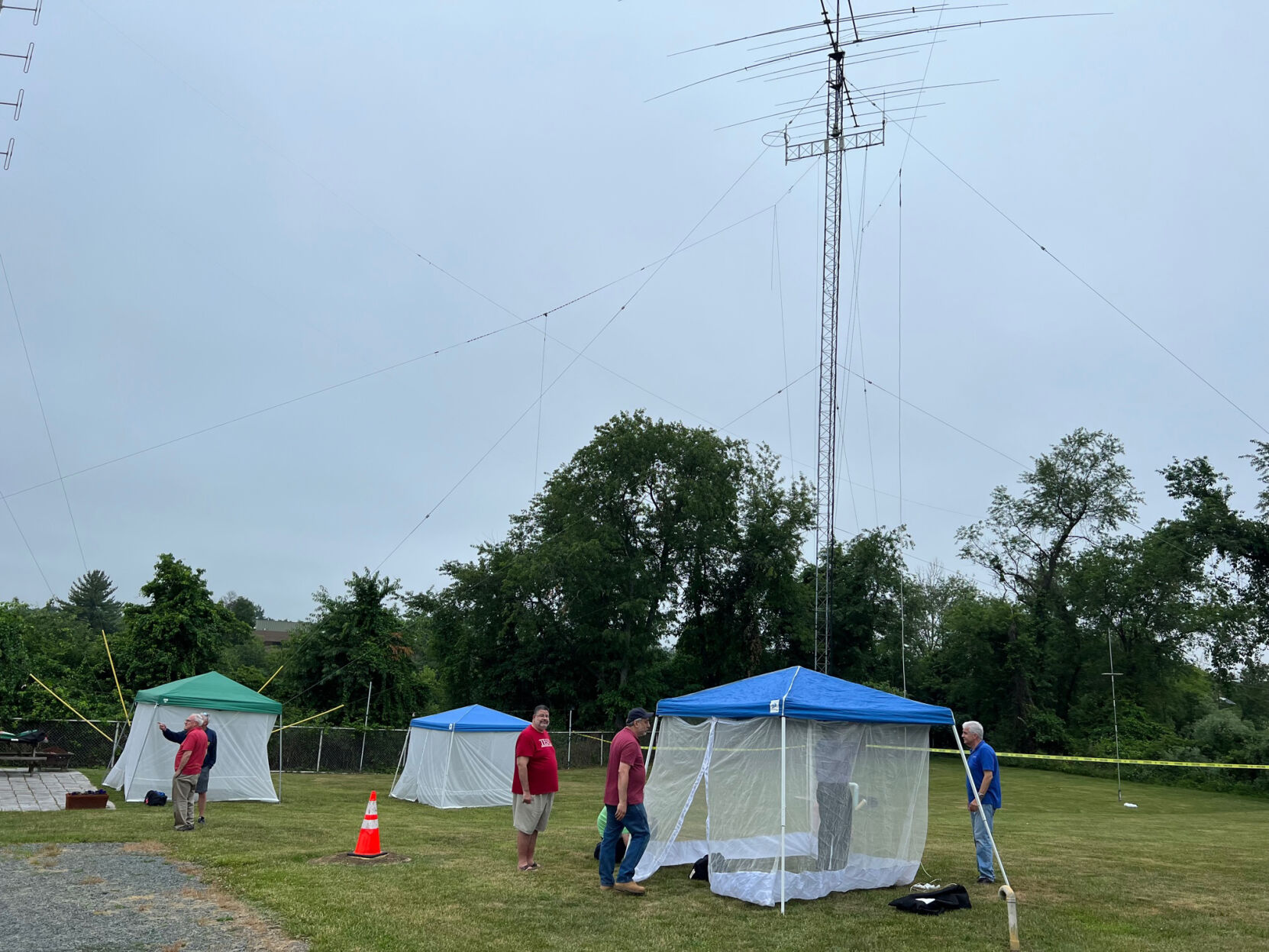
This annual national field day event has taken place each year since 1933 and is designed to showcase the radio communication abilities of amateur radio to the public. Field day demonstrates how amateur radio emergency radio stations can be set up anywhere, reliably, and under any conditions to operate independent radio communications networks. More than 35,000 amateur radio operators from thousands of locations all across North America participate each year in the Field Day event over a 24-hour period by setting up and operating amateur radio stations in the field.
The public is invited to visit the David Sarnoff Radio Club (DSRC) Field Day site from 2 to 5 p.m. Saturday and 10 a.m. to 2 p.m. Sunday to observe the amateur radio field day operating activities. Visitors also have an opportunity to participate by operating radios to communicate with other amateur radio stations all across North America.
The DSRC will be operating amateur radio stations at the Somerset County Millstone Valley open space parking area, Route 518 Franklin Township, Somerset County. The location is on Route 518 about 1 mile east from the D & R Canal parking lot near Canal Road or 1.7 miles west of the intersection of Route 518 and Route 27 in Kendall Park.
The Delaware Valley Radio Association (DVRA), based in West Trenton, is one of New Jersey’s oldest amateur radio clubs. Field Day operations will be open to the public Saturday June 28, from 2 to 5 p.m., at the club’s headquarters, 798 Bear Tavern Road, West Trenton.
“It’s a picnic, a campout, emergency communications training, and a friendly international competition all rolled into one,” the DVRA said in a news release.
Amateur radio is a valuable asset to communities during disasters or emergencies when the standard communication infrastructure such as cell phone service temporarily fails to function or when cell tower coverage is out of range. An amateur radio station can be set up and operated almost anywhere and on short notice. That’s the beauty of Amateur Radio in an emergency during communications outages. Amateur radio operators can literally throw a wire in a tree for an antenna, connect it to a battery-powered transmitter and communicate near and far all over the entire US or around the world.
For more than 100 years, amateur radio has allowed people from all walks of life to experiment with electronics and radio communications techniques, as well as provide a free public service to their communities during a disaster or emergency when cell phone or internet services might fail to function.
In today’s electronic do-it-yourself (DIY) environment, amateur radio remains one of the best ways for anyone to learn about radio communications. Amateur radio also inspires the next generation of technical leaders by providing students with hands on experience in radio electronics technology.
There are over 725,000 licensed amateur radio operators in the United States of all ages. Amateur radio clubs make it fun and easy for anybody at any age to obtain a license and get involved.
More information on the David Sarnoff Radio Club: N2RE.org.
More information on the Delaware Valley Radio Association: w2zq.com.
More information on amateur radio Field Day: arrl.org/field-day.