
Before a Seeing Eye dog ever guides someone through a busy intersection or safely across a street, countless volunteers have already helped shape its future. Across New Jersey and neighboring states, families open their homes to puppies, introducing them to everyday experiences that prepare them for the next stage of training.
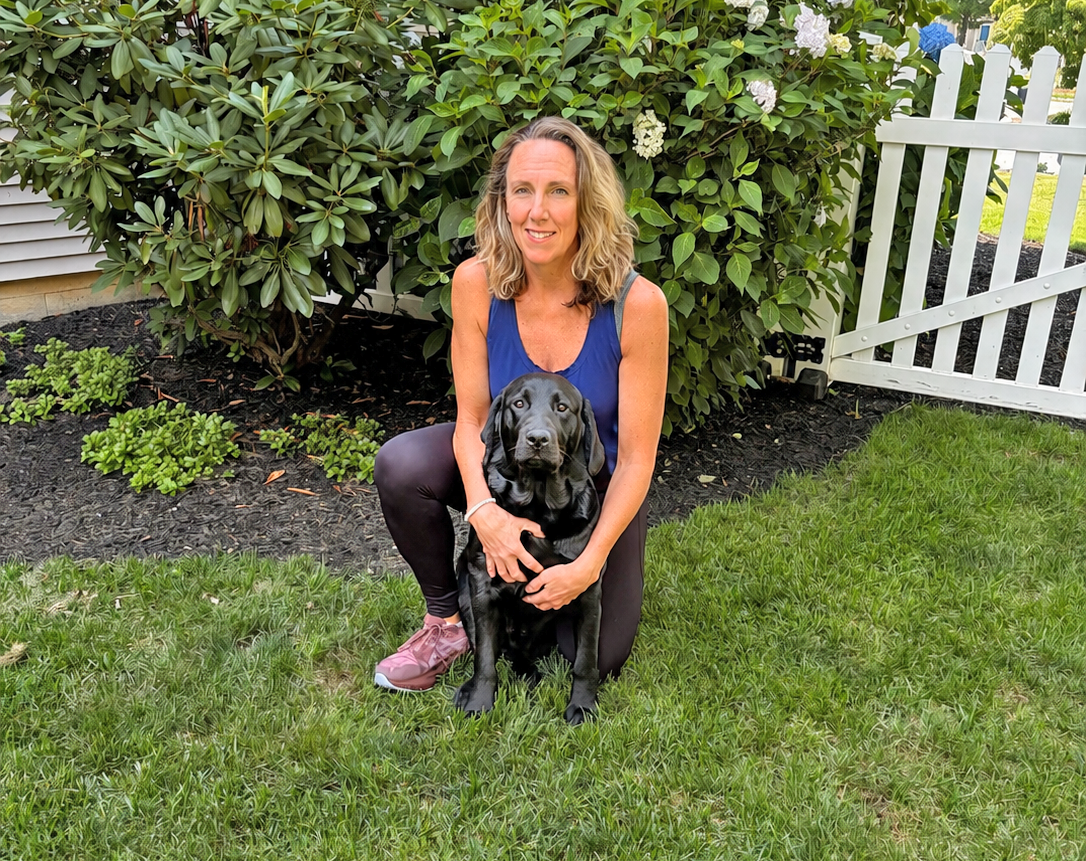
Among those volunteers are Laurie de Jong and her family in Plainsboro, who are currently raising a puppy named Ben.
Like many parents, Laurie de Jong didn’t think her family had time to raise a puppy.
A mother of four, including a set of triplets, de Jong works full time as an exercise physiologist while juggling a busy schedule of school activities, sporting events and family commitments.
So in 2021, when a volunteer in The Seeing Eye’s puppy-raising program at her family’s church suggested that de Jong’s family get involved, her first thought was that they simply had too much going on.
“Our kids always wanted a dog,” de Jong said. “We were always so busy, and I kept thinking we were never home enough.”
But the volunteer saw the family’s busy schedule differently. Rather than viewing it as a barrier, she saw it as an advantage.
“She actually said to me, ‘You’re the perfect family to be raising a Seeing Eye puppy, because the more exposure they get, the more successful they are,’” de Jong recalled.
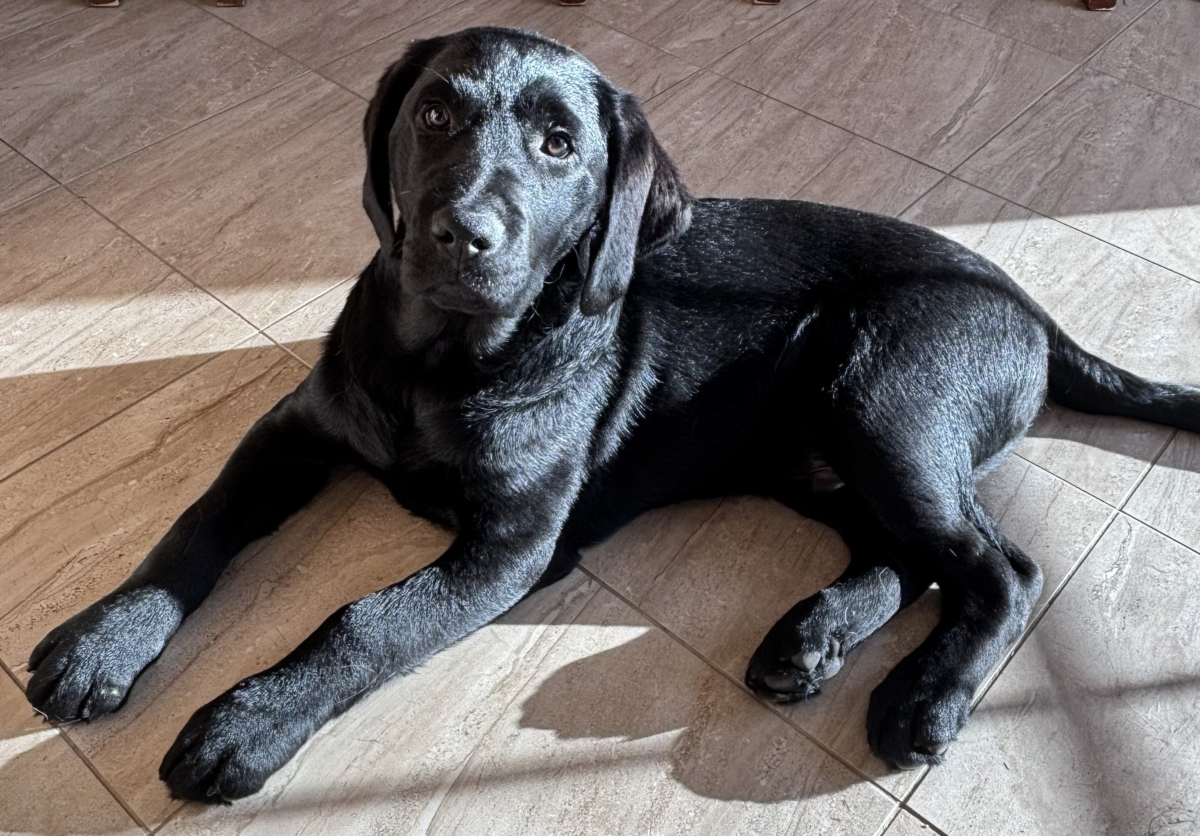
Five years later, Ben has become the newest member of the de Jong household and the fifth Seeing Eye puppy the family has raised.
The same busy lifestyle Laurie once thought would make puppy raising impossible has become one of the family’s greatest training tools.
Whether the family is heading to football games, wrestling matches, cheerleading competitions, evening walks or running errands, Ben is usually right alongside them.
“He really goes anywhere and everywhere that we go,” de Jong said.
What might seem like ordinary family outings are intentional learning opportunities for Ben. Each new environment exposes him to unfamiliar sights, sounds and situations, helping him develop the confidence and composure expected of a future guide dog.
According to Lauren Christie, director of canine development at The Seeing Eye, those everyday experiences are among the most important parts of a puppy’s first year.
Puppies are placed with volunteer families at about 7 weeks old and remain with them until they are approximately 13 to 15 months old, when they return to The Seeing Eye for formal guide dog training.
Those first few months are focused on building the skills that will prepare the puppies for the next stage.
“The volunteers lay the foundation with basic obedience and socialization,” Christie said.
Those early lessons prepare puppies for the specialized guide work they’ll begin once they return to The Seeing Eye. Professional instructors build on that foundation by teaching skills such as stopping at changes in elevation, navigating around obstacles, safely crossing streets and knowing when to ignore an unsafe command through a skill known as “intelligent disobedience.”
“The volunteer stage is really about preparing puppies for today’s experiences and their future as guide dogs,” Christie said.
While raising a future guide dog differs from raising a family pet, Christie said volunteers don’t need prior dog experience. The Seeing Eye provides training guidelines, covers veterinary care and food costs, and connects every puppy raiser with an area coordinator and a local puppy club for ongoing support.
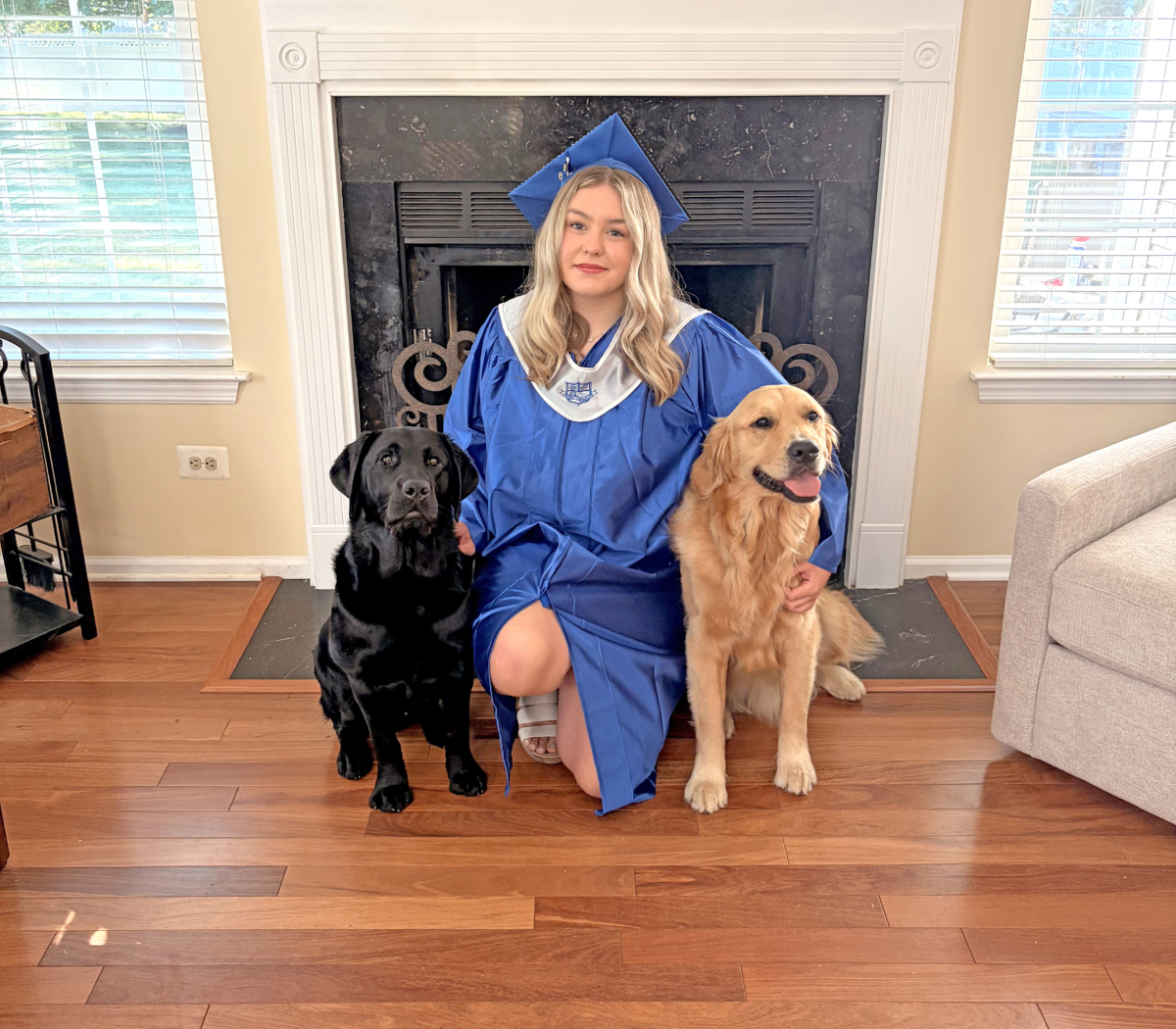
For de Jong, that support quickly became one of the biggest surprises of joining the program.
“I thought, OK, I’m just going to be raising a puppy,” she said. “But you actually gain an entire friend group through this process.”
That sense of community is intentionally built into The Seeing Eye’s puppy-raising program.
While the commitment may seem daunting, volunteers aren’t expected to do it alone. Families are supported throughout the process by puppy club leaders and other volunteers.
Among those providing that support is Diane Giordano, who has been raising Seeing Eye puppies with her family for more than 20 years and is currently caring for their 19th and 20th puppies.
Earlier this year, she became one of the puppy club leaders for The Seeing Eye’s club in Middlesex County, where she helps puppy raisers develop the skills and confidence needed at every stage of raising a future Seeing Eye dog through regular meetings, outings and one-on-one guidance.
Much of that support begins before a puppy ever arrives.
Before volunteers receive a puppy, club leaders answer questions, explain the program’s expectations and often invite prospective puppy raisers to attend meetings or spend time handling puppies. The Seeing Eye also encourages prospective volunteers to puppy-sit before committing to raising a puppy of their own, giving them an opportunity to experience the program firsthand.
Once a puppy arrives, club leaders remain a resource for everything from training advice to home visits and regular club check-ins.
“A lot of it is guidance and support,” Giordano said. “We make phone calls, check up on them and ask, ‘How’s the puppy doing? How are you doing?’”
For de Jong, knowing experienced volunteers were always just a phone call away made the commitment feel much less intimidating than she had expected.
“If you’re traveling on vacation and it’s not a type of trip your puppy can go on, somebody’s always there to jump in and puppy-sit,” she said. “If you have some sort of issue, somebody’s always willing to answer questions. I thought I was taking this dog, and I was on my own. That’s not how it is.”
Monthly club meetings give volunteers an opportunity to practice obedience training together, while additional outings expose puppies to new environments they may encounter as guide dogs.
“We take the dogs on trains and buses. They go to parks and beaches,” Giordano said. “We even bring them into New York City to see the Christmas tree.”
The goal, she said, is to help ensure new experiences won’t be intimidating when puppies return for formal training.
Those experiences build on one another, helping puppies grow more comfortable in unfamiliar settings.
“When they go back, they’ve been exposed to so many things,” Giordano said. “It gives the dog a better foundation for training.”
For Christie, that’s exactly what the volunteer program is designed to accomplish. By the time puppies return to The Seeing Eye, they’ve already built the confidence and basic skills professional trainers will continue to develop.
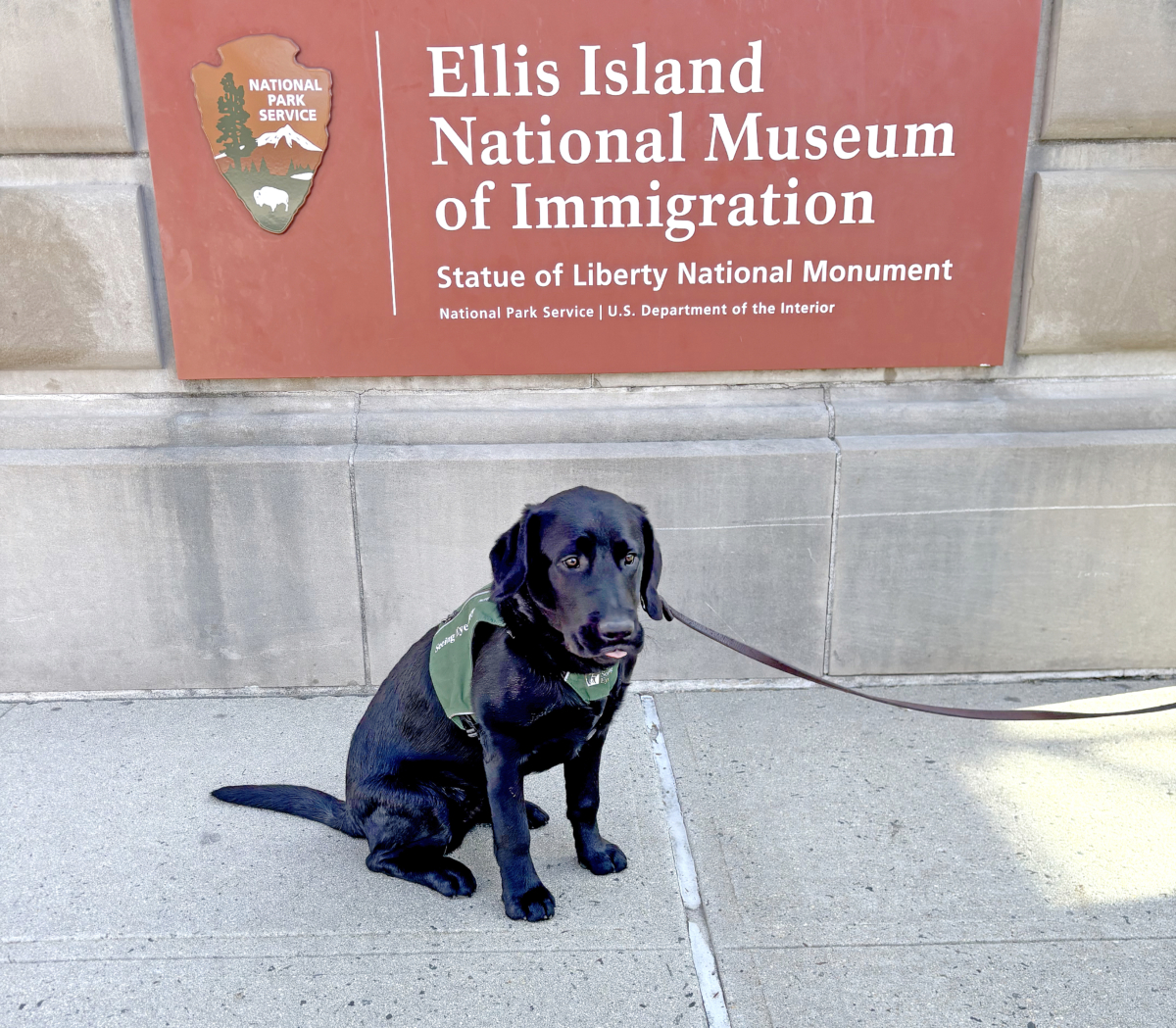
After more than a year of preparing a puppy for its next stage of training, many volunteers find themselves ready to start again.
For the de Jong family, that transition often includes welcoming one puppy as another prepares to leave.
While raising multiple puppies at once is an option, volunteers can also have other pets at home. In fact, Christie said growing up alongside other dogs, cats and household pets can help expose puppies to all kinds of environments.
After five years, de Jong said the family has found a rhythm that works, one that keeps them focused not on saying goodbye but on preparing the next puppy for its future.
“They’re going on to fulfill their destiny and help someone in one of the largest ways I can think possible by giving someone their independence back,” she said. “That’s an incredible gift that you’re giving someone.”
Although the placement process is typically anonymous, the people matched with the dogs can choose to contact the volunteers through The Seeing Eye. For de Jong, that happened after her family’s first puppy, Dexter, completed his training.
“It was amazing to hear back,” de Jong said. “Hearing all the wonderful things he’s doing, that’s what makes it all worth it.”
For Giordano, seeing puppies reach that stage never loses its meaning.
“When they go through formal training and get placed, it’s like watching your kid graduate from college,” she said. “You feel good that you helped the dog achieve what he was meant to do.”
Five years after agreeing to raise her first puppy, de Jong says the experience has become about far more than bringing a dog into her home. Along the way, her family found a community, discovered a meaningful way to give back and watched five puppies take the first steps toward becoming guide dogs.
“Even though they’re temporary visitors, they really just bring so much joy,” de Jong said. “Every day is a great day for them. I feel like they’ve taught me to have the same perspective. They really do give back to you just as much as you’re putting into them.”
To learn more about becoming a volunteer puppy raiser or to attend an upcoming information session, visit The Seeing Eye’s website.
